You’ve prepped the slides. You’ve rehearsed your pitch. But the moment you enter that virtual boardroom—or walk into a Tokyo conference suite—everything falls apart. Why? Because technical competence means nothing without business corporate meeting etiquette. Misread a bow. Interrupt at the wrong moment. Assume consensus means agreement. And just like that, trust evaporates. The fix isn’t more training—it’s rewiring how you perceive presence, silence, and power across borders.
Why Standard Etiquette Advice Fails in Global Boardrooms
Most guides recycle the same tired rules: “Be punctual,” “Dress professionally,” “Don’t interrupt.” Helpful? Barely. Harmful? Often. These platitudes ignore cultural context—the invisible architecture of influence. In Germany, direct contradiction signals respect. In Thailand, it’s social suicide. And here’s the reality: Zoom hasn’t leveled the playing field. It’s amplified micro-mistakes. A 0.3-second delay becomes perceived disinterest. A muted mic reads as aloofness. The math is simple—etiquette isn’t about politeness. It’s about strategic signaling.
Step-by-Step Guide to Cross-Border Meeting Mastery

Pre-Meeting Intelligence Gathering
Never assume. Research hierarchy norms. In Saudi Arabia, titles aren’t optional—they’re gatekeepers. In Sweden? First names from minute one. Dig deeper than Wikipedia. Check local news. Is there a national holiday next week? A recent policy shift? Mentioning it shows attentiveness—not flattery.
The First 90 Seconds Decide Everything
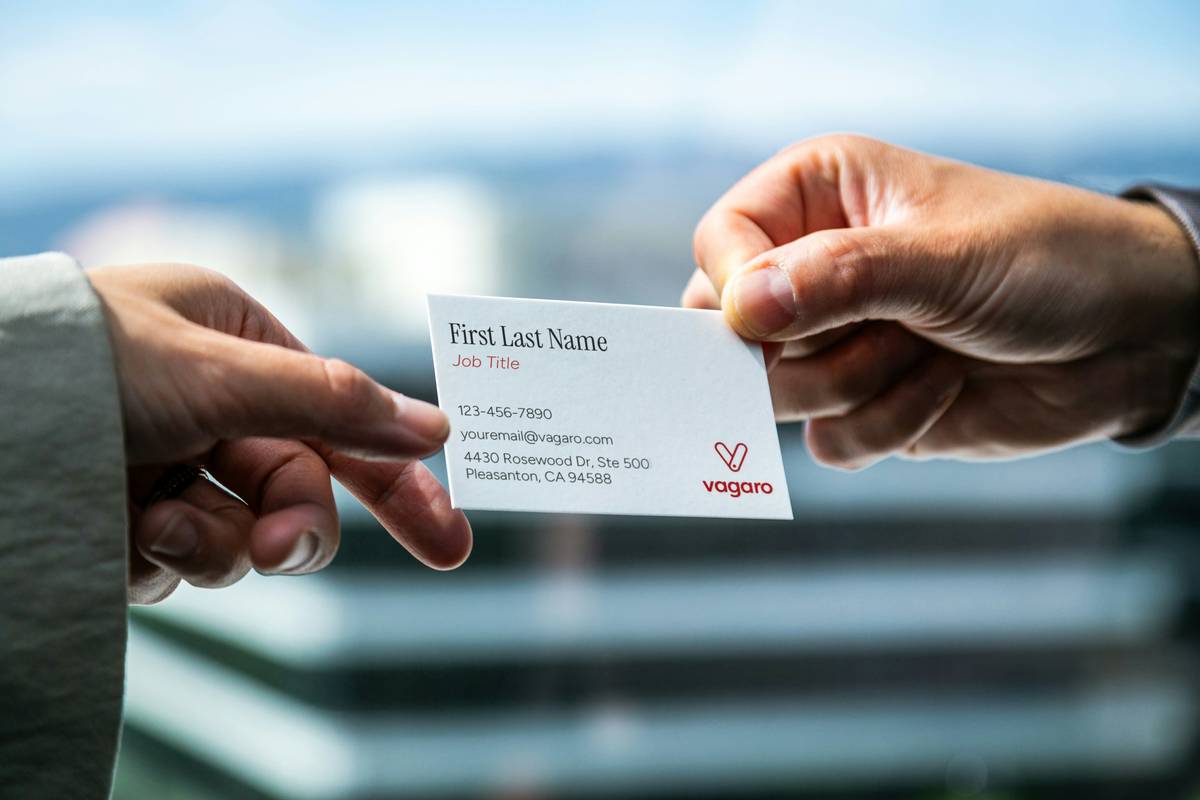
In Japan, exchange meishi (business cards) with two hands—study it before pocketing. In Brazil, skip the handshake if you’re late; apologize first. Silence isn’t awkward everywhere. In Finland, it’s thoughtful. Lean into it. And never—ever—lead with small talk in Russia. Get to substance fast.
Virtual Meeting Nuances That Make or Break Deals
Turn your camera on—even if others don’t. It signals engagement. But frame matters: eye-level, neutral background, no backlighting. Mute when not speaking, yes—but unmute with a verbal cue (“Jumping in here…”). Otherwise, you sound like a ghost interrupting. Also: time zones aren’t just logistics. They’re power dynamics. If you’re always making others join at 7 a.m.? You’re signaling dominance—intentionally or not.
| Region | Decision-Making Style | Virtual Meeting Pitfall | Etiquette Hack |
|---|---|---|---|
| Germany | Consensus-driven but direct | Avoiding tough questions | Disagree early, respectfully—with data |
| UAE | Hierarchical, relationship-first | Rushing agenda | Allow 10+ mins for personal rapport |
| Canada | Collaborative, egalitarian | Overt self-promotion | Use “we” even if you led the project |
| South Korea | Top-down, seniority-based | Calling out flaws publicly | Channel feedback through junior intermediaries |

The Industry Secret: Etiquette Is a Negotiation Lever
Here’s what elite consultants won’t tell you: etiquette gaps are exploitable. Not unethically—but strategically. Notice your counterpart avoids eye contact during tough topics? That’s discomfort—not dishonesty. Use it to gently press. Or, if they’re overly formal in writing but casual on calls? Their culture is in flux—meet them halfway to build rapid trust. One client closed a $2M deal in Mexico City simply by switching from email to WhatsApp after noticing their team’s delayed replies. Etiquette isn’t performance. It’s pattern recognition.
Frequently Asked Questions
What’s the biggest mistake in international virtual meetings?
Assuming silence means agreement. In many Asian cultures, it’s contemplation—or polite disagreement. Always verbally confirm understanding.
Should I adapt my speaking style for every region?
Not entirely. Stay authentic—but adjust pace, formality, and interruption tolerance. Germans appreciate blunt efficiency; Brazilians value warmth over speed.
Is it rude to take notes during a meeting?
Depends. In the U.S., it’s engaged. In parts of Africa or the Middle East, it can imply distrust. When in doubt, ask: “Mind if I jot this down?”